
Roof Rejuvenation vs. Full Replacement: When a Treatment Is Enough
Some roofs need a tear-off. A lot of them just need a treatment. Here's how to tell which one you own.
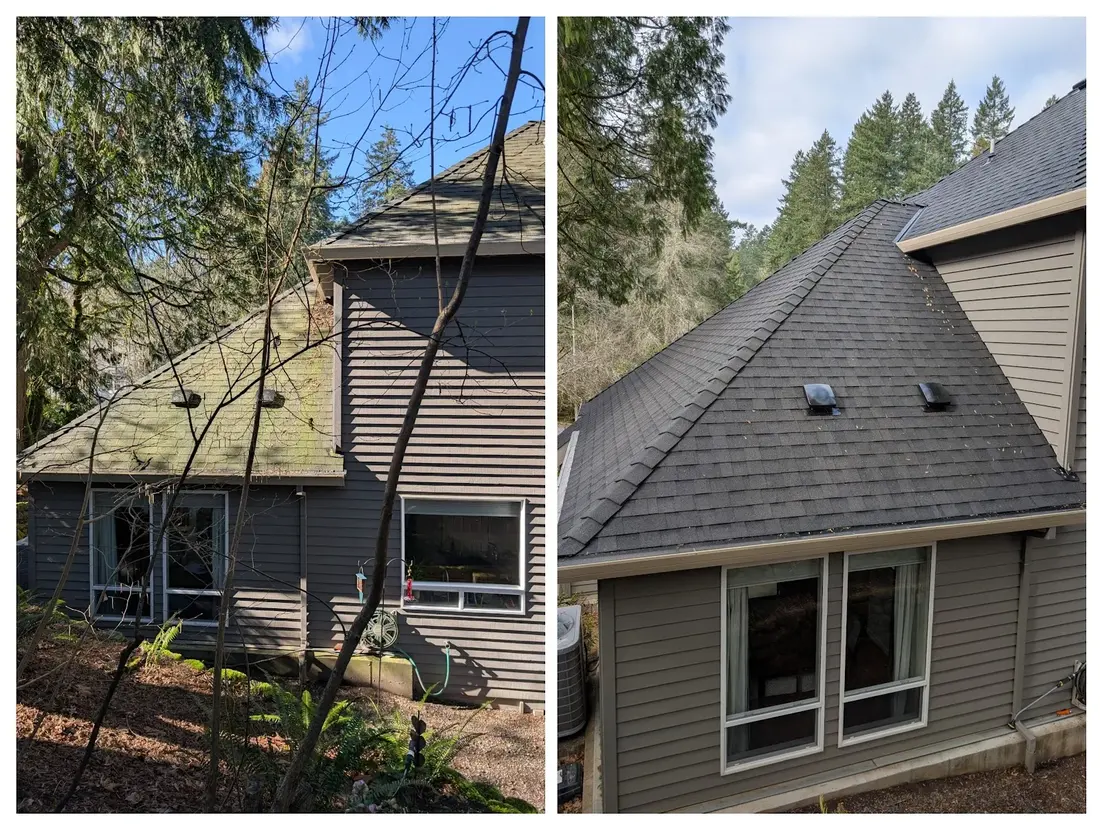
A tear-off is the most expensive fix on the whole house. Before you sign for one, take an honest look at the shingles. Plenty of aging Vancouver roofs are dry and faded, not failing.
For those roofs, a rejuvenation treatment restores flexibility and buys years of service without the mess. Here's how to tell which side of the line your roof sits on.
What Rejuvenation Actually Does
Rejuvenation conditions weathered asphalt shingles so they shed water instead of soaking it up. Our asphalt roof rejuvenation soaks in and rebuilds the oils that shingles lose to sun, wind and wet winters. A good treatment does four things:
- Restores flexibility so shingles bend instead of crack
- Improves water repellency so rain beads and runs off
- Evens out faded color so the roof looks better from the street
- Helps shingles hold their protective granules longer
It's not a miracle cure. A treatment can't fix rot, bad decking or structural problems. Think of it like conditioning a good pair of boots before the leather cracks. Timed right, it keeps what's working, working. Miss the window and no amount of conditioner brings the material back.
Signs a Treatment Is Enough
A good candidate looks like this:
- Granules mostly intact, with only normal wear washing into the gutters
- Shingles lying flat, with little curling and no breaking tabs
- No soft spots in the deck and no history of repeat leaks
- Flashing secure around chimneys, skylights and vents
- Moss and algae on the surface only, not lifting shingles
Check those boxes and the Fresh Roof treatment deserves a serious look. It comes with a written 6-year warranty and costs a fraction of a new roof. It's also quieter and tidier than a tear-off, which your neighbors will appreciate.
When Replacement Makes More Sense
Sometimes the honest answer is a new roof. Watch for:
- Large bare spots where granules have washed away
- Shingles cracked, crumbling or missing across whole sections
- Leaks that keep coming back, or visible sagging
- Soft, spongy decking underfoot
- Heavy storm damage from wind or fallen branches
Replacement resets the clock and fixes hidden wood problems that no surface treatment can reach. If your roof is there, we'll tell you straight and step aside. No treatment should ever be sold onto a failing roof. And if you spot new ceiling stains after a storm, call someone right away. Catching a leak early can keep the treatment option on the table.
Three Questions That Settle It
Still on the fence? Ask yourself:
- Is the roof dry inside, with only cosmetic aging on the outside?
- Do I want a quieter, faster fix that spares the landscaping and the family routine?
- Am I keeping this home for years, or selling soon?
Dry inside and staying put? A treatment probably fits. Selling soon with a roof that scares inspectors? A new roof removes a common buyer objection. Your answers point a good contractor to the right call for your house, not a one-size-fits-all pitch.
How We Judge a Roof in This Climate
Vancouver puts roofs through a constant wet-dry cycle. Fir shade over streets in Felida and Cascade Park keeps shingles damp for weeks. Wind off the Columbia River can lift loose tabs. So we check sun exposure, tree cover and the wear patterns at eaves and valleys, then look at flexibility, granule coverage and flashing up close.
The best time for an evaluation is after a dry stretch, when the surface tells the full story. And since a clean roof takes treatment more evenly, we start with gentle moss removal first. Never high pressure on shingles. It strips granules and shortens roof life, which defeats the whole purpose.
Not sure which camp your roof is in? Call the Dawg at 360-803-3900 for a free evaluation. If a treatment fits, we'll say so. If it doesn't, we'll say that too.
Find Out What Your Roof Actually Needs
A free, honest evaluation. Treatment if it fits, straight talk if it doesn't.